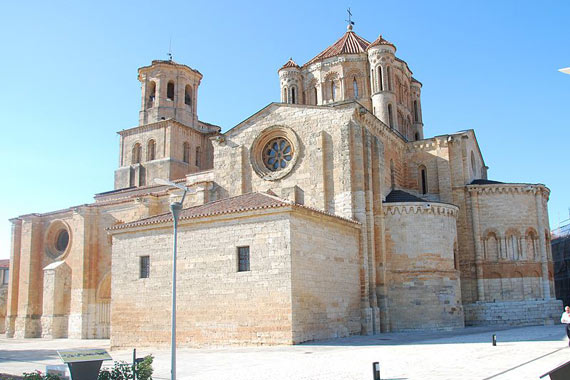
Collegiate Church of Santa María la Mayor
Its construction dates back to the 12th century. It belongs to a group of transitional Romanesque churches known as the “Cimborrios del Duero”.
Read more Book now
Heritage, viewpoints, churches, palaces, wineries and historic corners to discover from Hotel Juan II.
Toro is a monumental town with an outstanding historic centre, Romanesque and Mudéjar churches, palaces, historic gates, viewpoints over the Duero valley and a wine tradition deeply linked to its history. From Hotel Juan II, many of these places can be visited comfortably on foot.
Its construction dates back to the 12th century. It belongs to a group of transitional Romanesque churches known as the “Cimborrios del Duero”.
Read more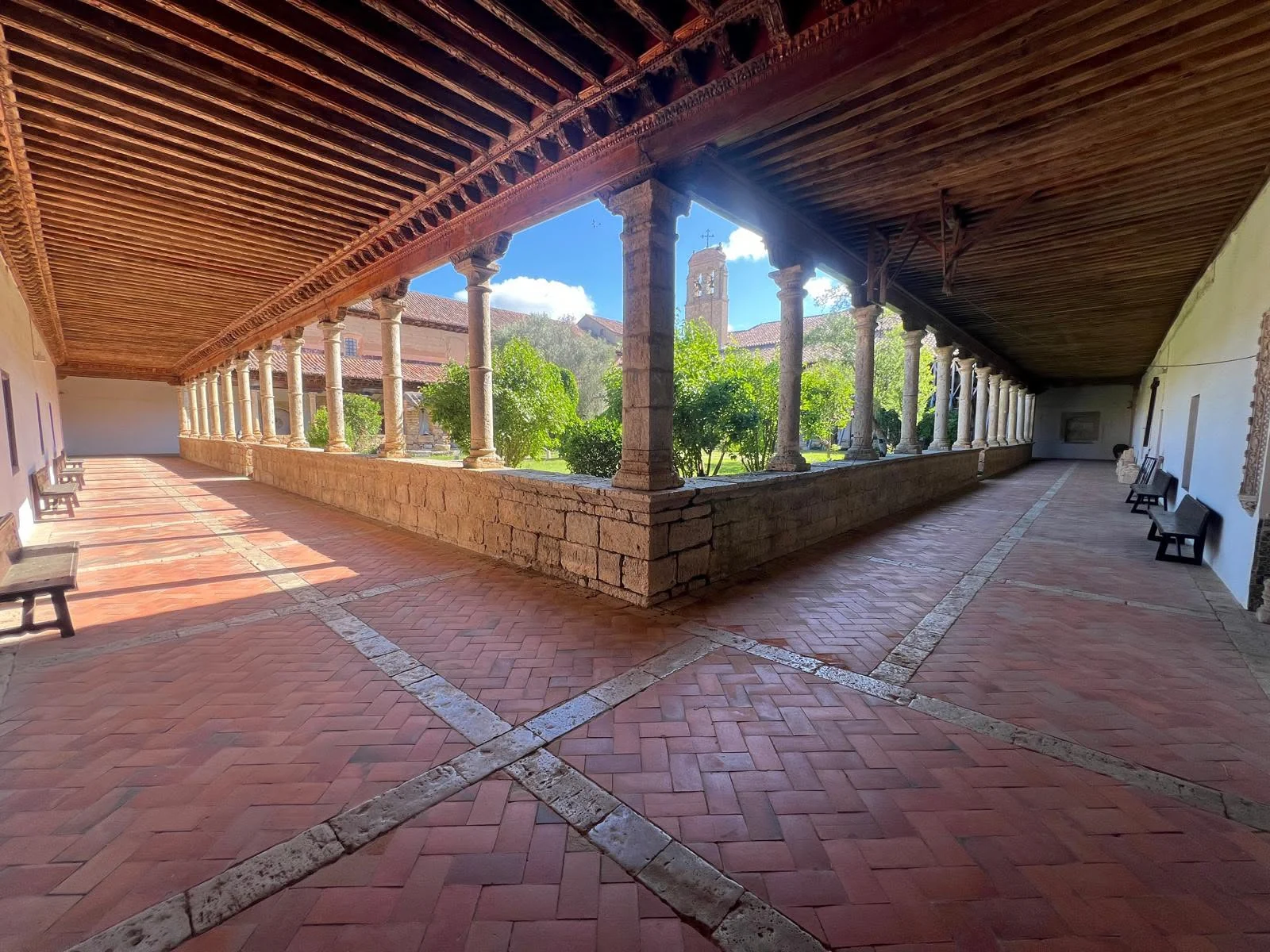
Founded in 1307 by Teresa Gil, it is one of the most important and visitable monuments in Toro.
Read more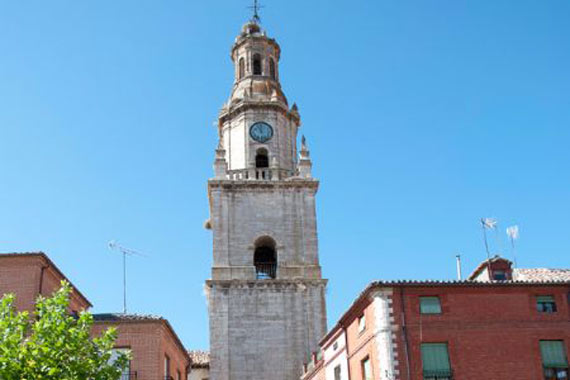
The Clock Arch rises over the old Market Gate, part of the first walled enclosure of Toro.
Read more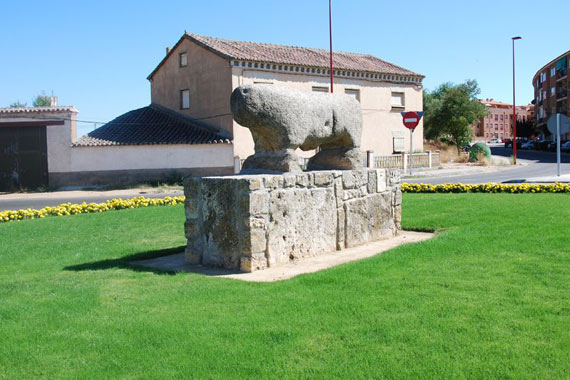
The Stone Bull stands at the entrance to the town, next to the Arch of Santa Catalina. It is a single-piece granite sculpture, roughly carved, representing a bull.
Read more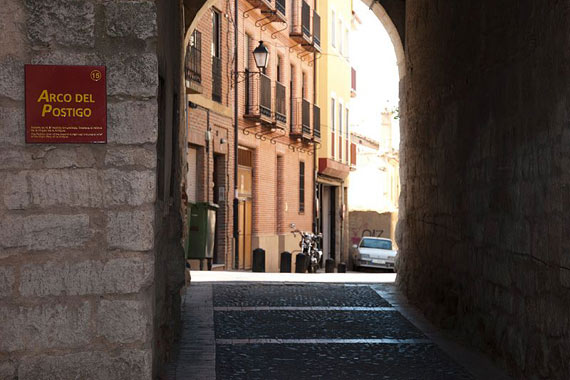
The Postigo Arch was one of the small gates in Toro’s old city wall.
Read more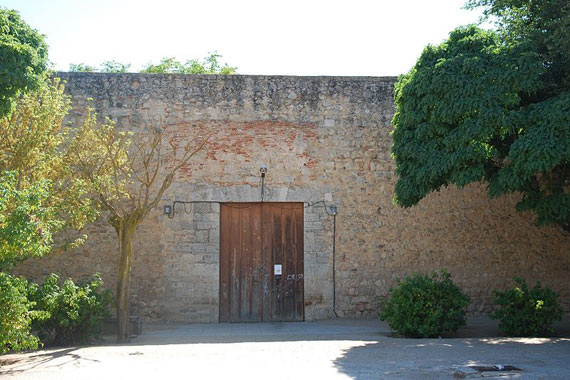
The Alcázar is located in a beautiful setting, about 100 metres above the Duero river.
Read more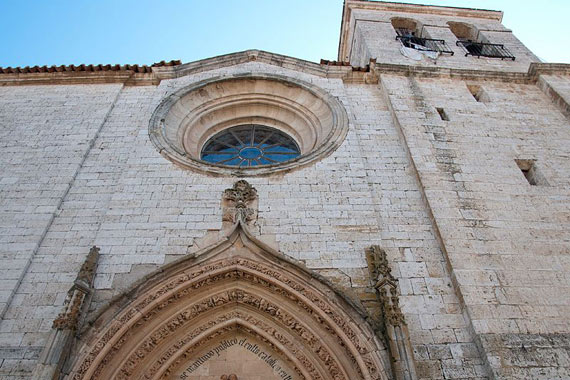
Its foundation is one of the oldest in the town. The current monument dates from the 16th century and its design is attributed to the famous architect Rodrigo Gil de Hontañón.
Read more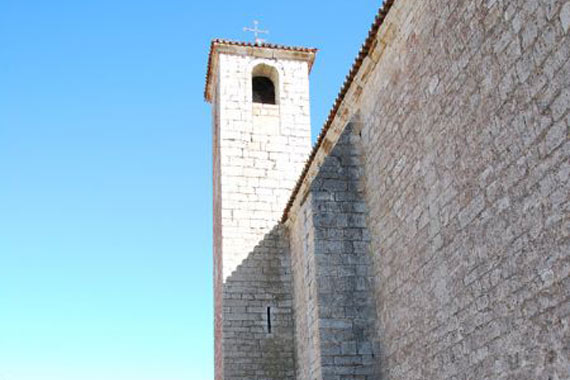
This church was a parish at least from the 13th century until the end of the 19th century. It stands in Plaza de la Paja, one of the open commercial spaces around the first walled enclosure.
Read more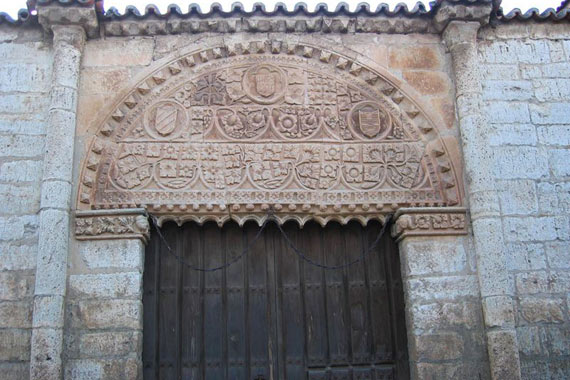
The Palace of the Laws was a royal palace of the Castilian-Leonese crown during the Middle Ages and later became linked to the Ulloa-Pereira family estate.
Read more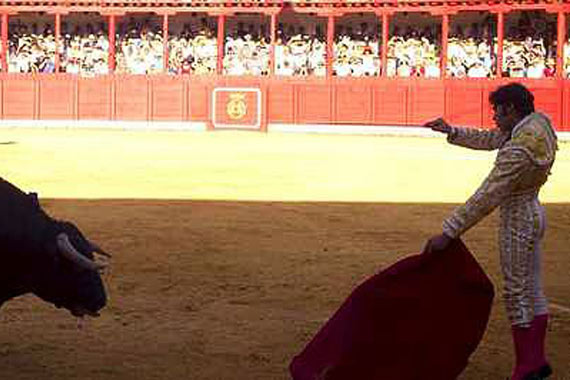
Toro’s bullring was inaugurated on 18 August 1828.
Read more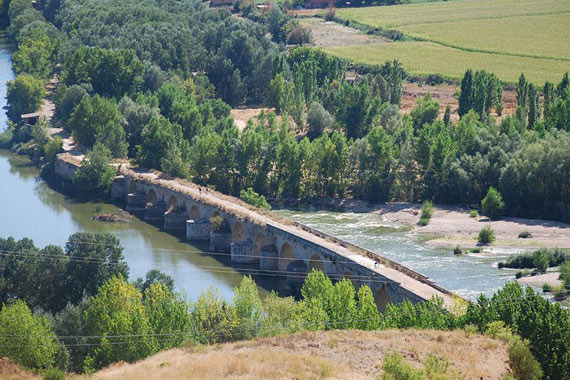
The bridge dates from the 12th century, although it is called Roman perhaps because it stands on the site of an earlier Roman bridge.
Read more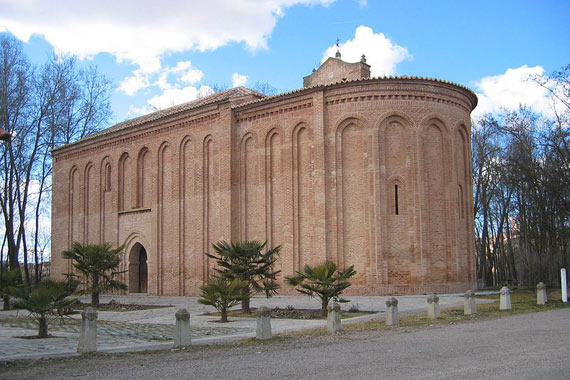
This sanctuary stands next to the Duero river in a beautiful wooded setting.
Read more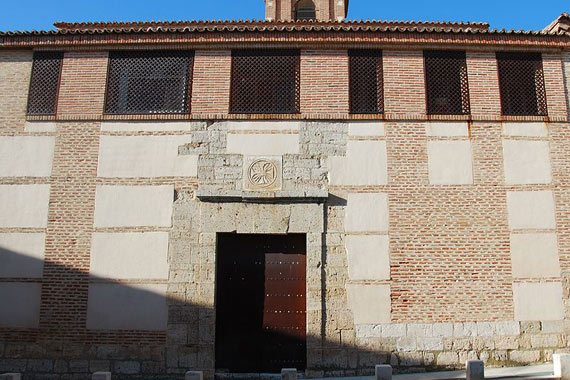
This church belonged to the Templar Order, as can be seen on the southern doorway where the order’s arms are displayed.
Read more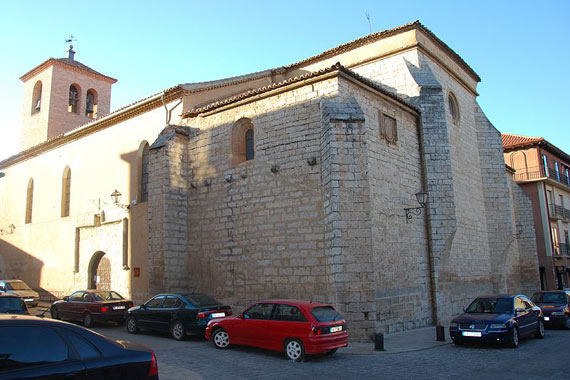
The Church of Santo Tomás Cantuariense has its origins in the 12th century and was rebuilt at the end of the 18th century.
Read more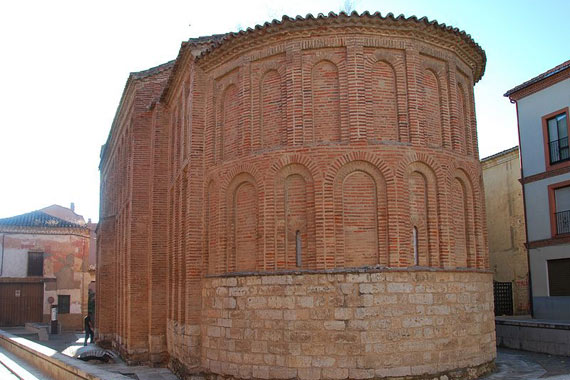
The name “el Real” comes from the burials of the Castilla-Fonseca family, illegitimate descendants of Peter I of Castile, who were buried in an impressive Gothic tomb.
Read more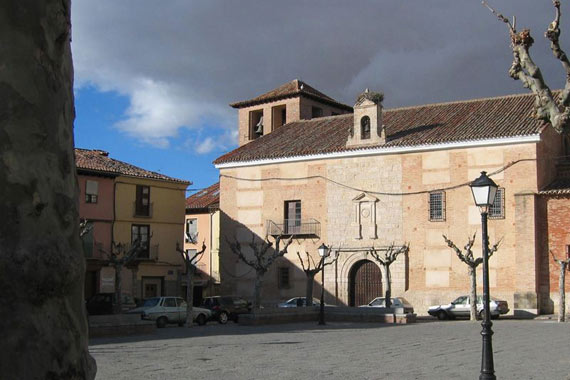
Originally, this church belonged to the Order of the Knights of the Holy Sepulchre and, at the end of the 15th century, passed to the Order of Malta.
Read more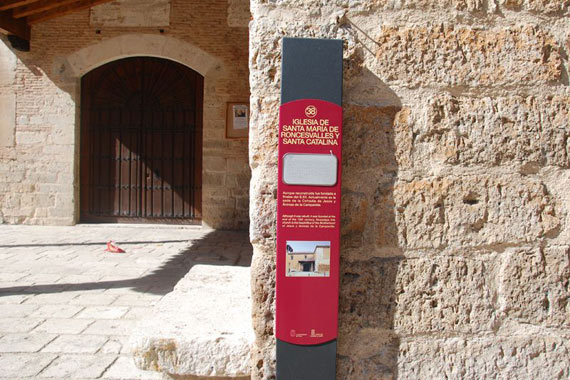
Its origin dates back to the 12th century, although it has undergone alterations and suffered a fire in 1955.
Read more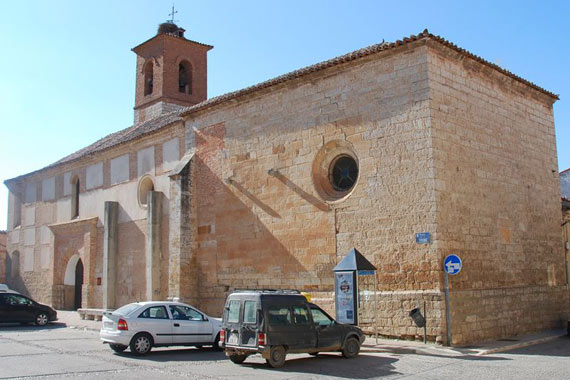
This church preserves architectural remains from the transition between the 12th and 13th centuries.
Read more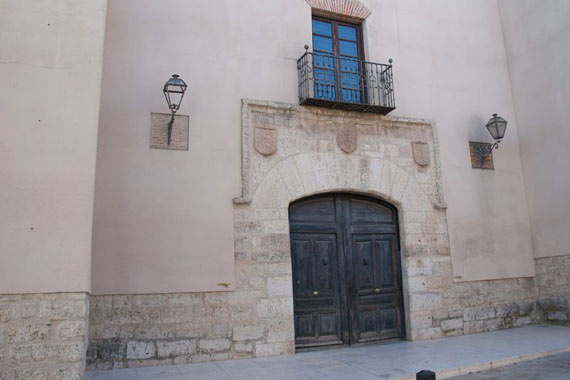
Located on Calle Corredera, this palace dates from the second half of the 16th century.
Read more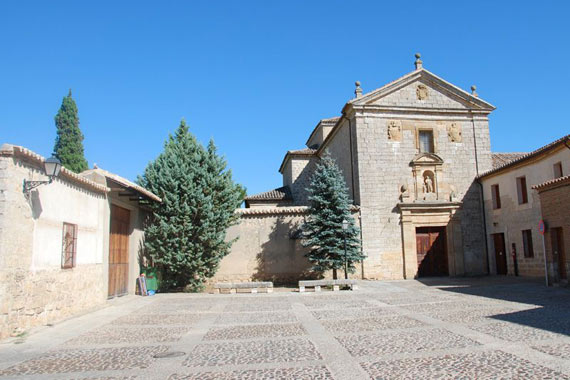
The Convent of San José is a building of simple lines.
Read more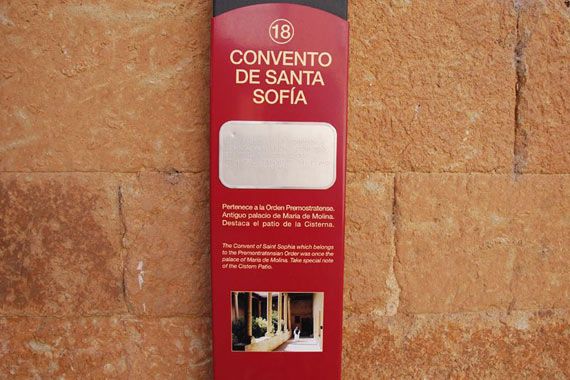
The convent settled in Toro in the 14th century, adapting to the new urban trend of bringing old Romanesque monasteries into the town.
Read more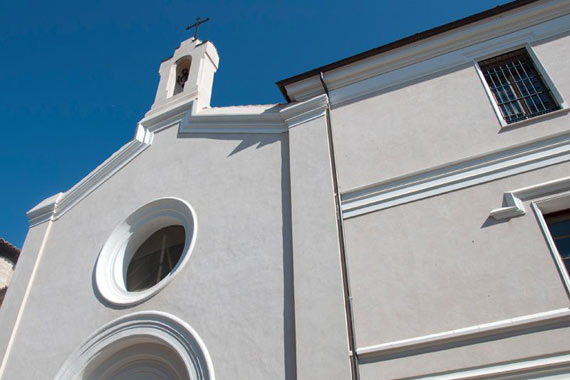
This was a splendid mansion of the Counts of Requena. It is Gothic in style and dates from the late 15th century.
Read more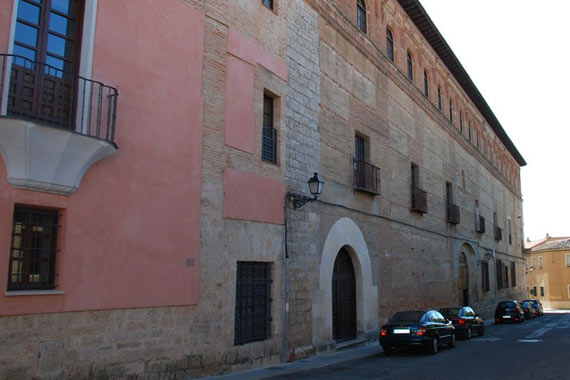
This palace has a grand three-storey façade. Its windows are protected by impressive wrought-iron grilles, with Renaissance-style balconies on the second floor and a beautiful gallery of arches above.
Read more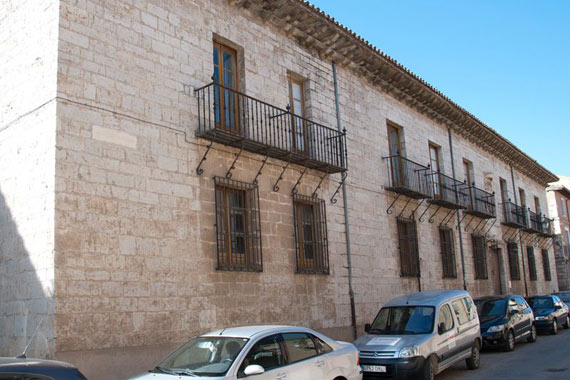
Valparaíso Palace was once a notable mansion enriched with a large collection of paintings, sculptures, ivories and other works, none of which survives today.
Read more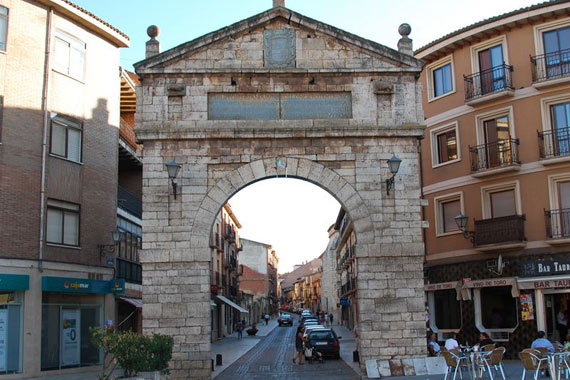
The Corredera Gate was built in 1602 with a purely decorative purpose, in an opening in the earthen walls, to welcome King Philip III.
Read more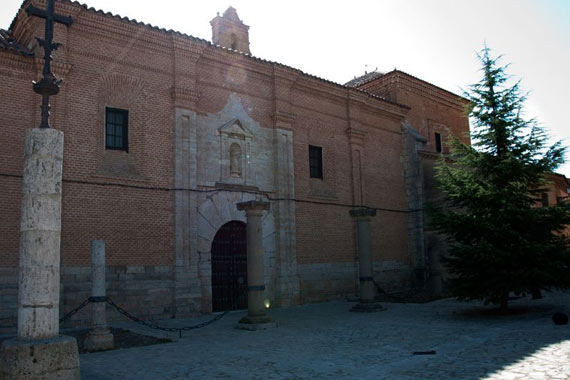
The Royal Monastery of Santa Clara was founded by Doña Berenguela, eldest daughter of King Alfonso X the Wise.
Read more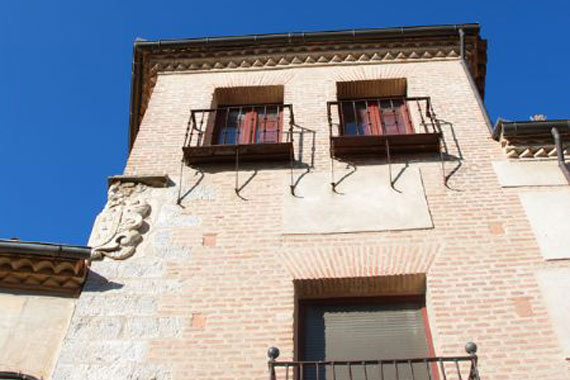
This palace takes its name from the stone balls decorating its main façade and the street where it stands.
Read more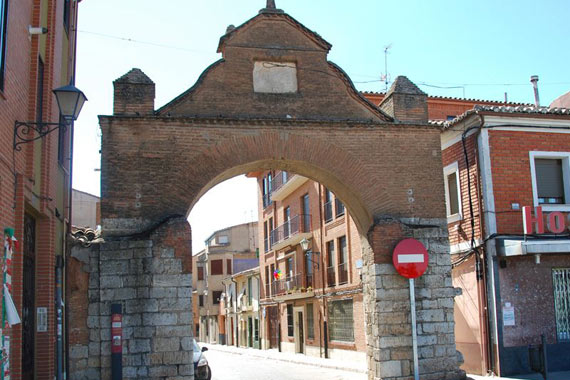
The Gate of Santa Catalina is mentioned as early as the 14th century because it stood near a church of the same name, already existing in the 13th century.
Read more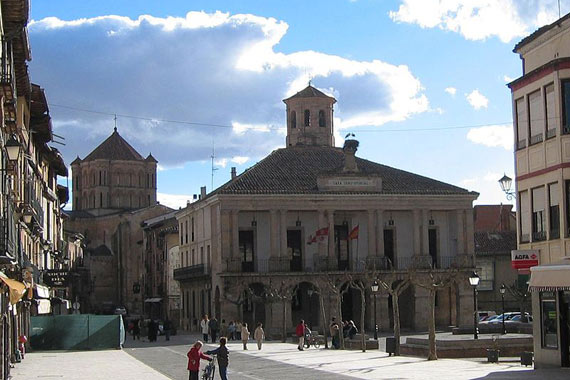
The current Town Hall building was constructed in 1778, after the former council building was destroyed by fire on 1 January 1761.
Read more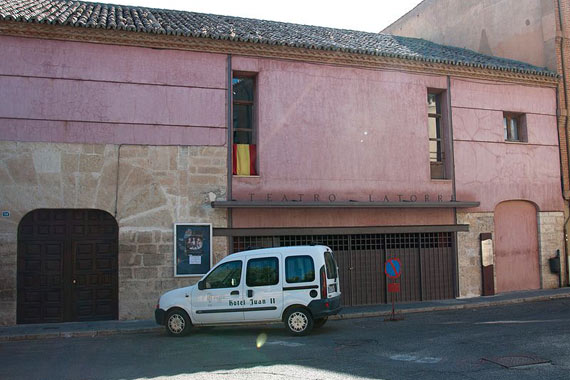
Together with the bullring, Latorre Theatre forms a special ensemble within Spanish popular architecture.
Read more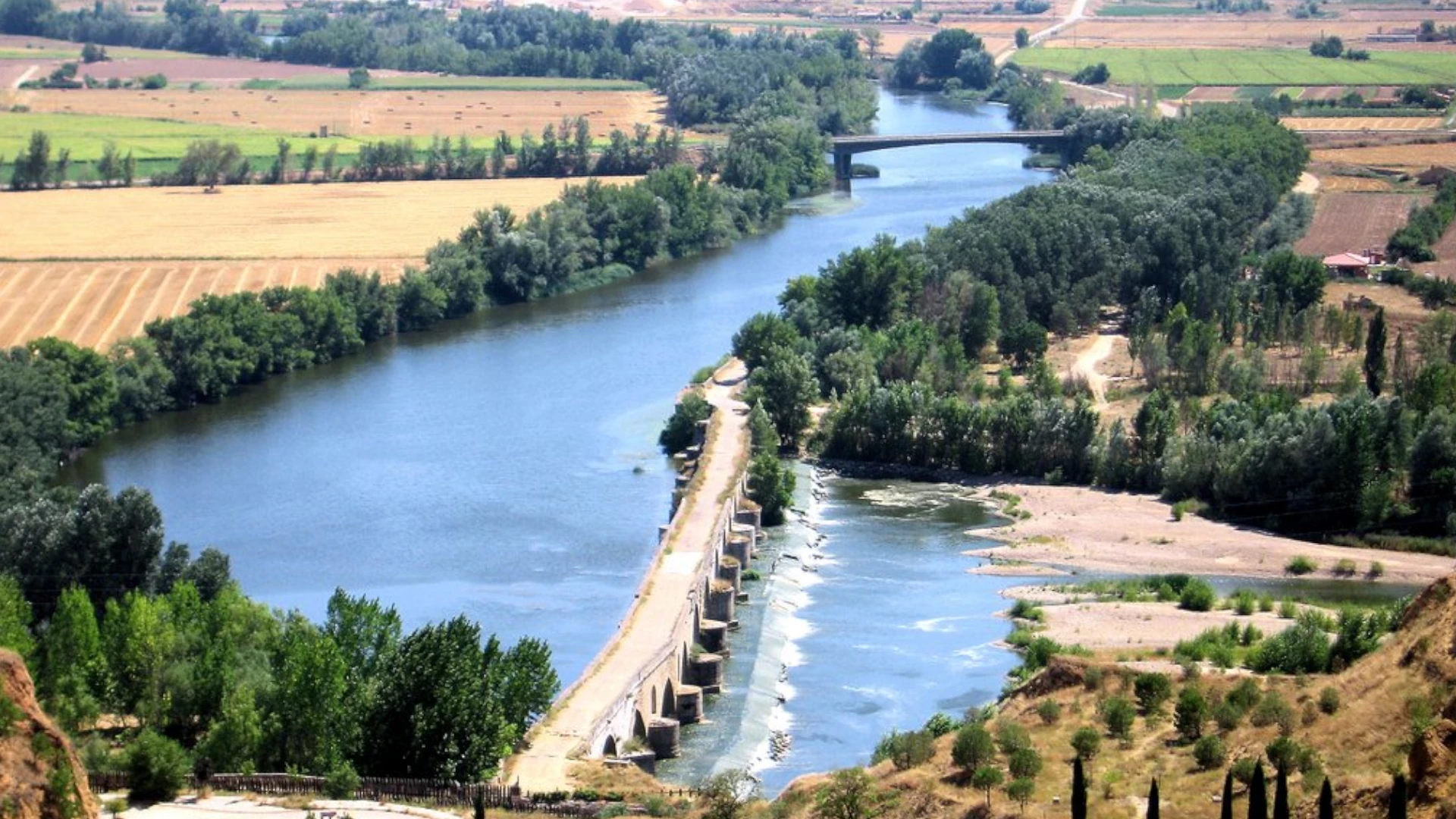
Toro wine is closely linked to the history of the town and became an important element in its development over the centuries.
Read more